Doubly landlocked
Uzbekistan is one of two countries on earth that must cross two borders to reach an ocean. Every export price here carries that geography inside it.
The corridors
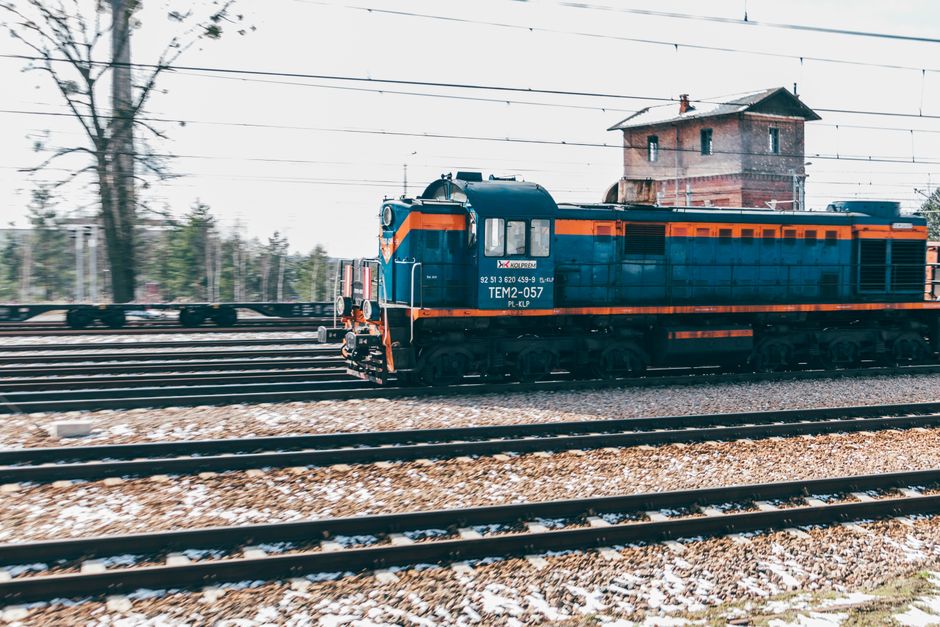
Freight moves north through Kazakhstan toward Russia and Europe, west across the Caspian toward the Caucasus and Turkey, and south through Afghanistan and Iran toward ports. Each route trades distance against predictability, and the cheapest on paper is rarely the most reliable in practice.
Transit costs are mostly waiting
The expensive part of a border is usually not the tariff but the time: documentation, inspection, gauge changes, and queueing. Shippers plan around variance rather than averages, because a perishable consignment that clears late has lost its value whatever the published transit time says.
What is changing
Regional agreements have simplified some documentation and new rail links have shortened some routes. The constraint that has not moved is that every option depends on the cooperation of neighbours, which makes logistics here a political question as much as an engineering one.
When air freight makes sense
For most goods the answer is never, but high-value perishables change the arithmetic. A consignment of cherries that arrives three days earlier can be worth several times the freight difference, which is why horticultural exporters watch air capacity in a way that cotton shippers never have to. Capacity out of Tashkent is limited and seasonal, and it prices accordingly.