Processing what it grows
Exporting raw cotton means exporting the profit. The last decade of policy has been an attempt to stop doing that.
The ladder
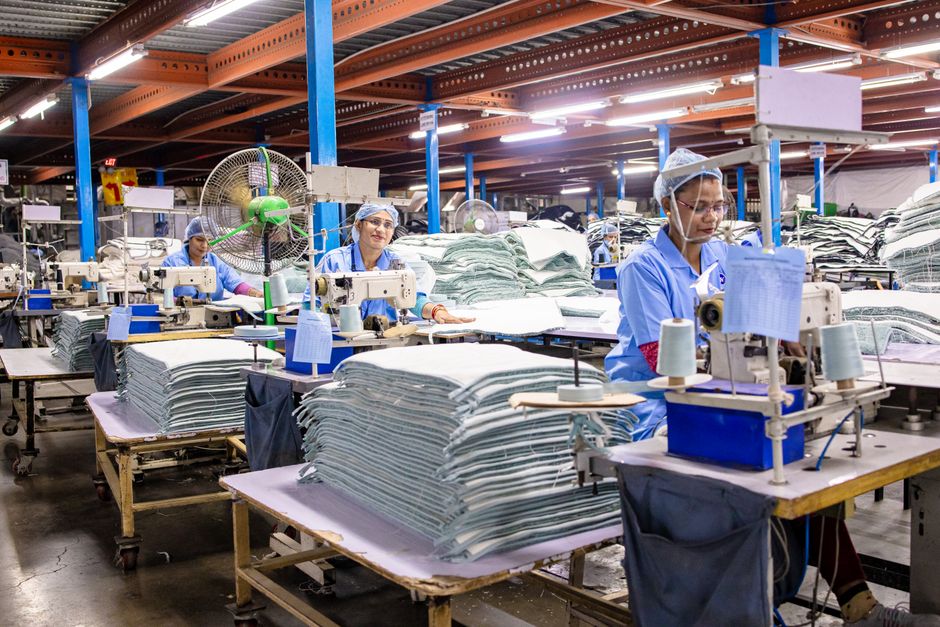
Raw fibre, yarn, fabric, finished garment — each step keeps more value in the country. Uzbekistan has moved decisively through the first two: a large share of the crop is now spun domestically rather than shipped as bales.
Where it stalls
Finishing and garment manufacture are harder. They need reliable dyeing and treatment capacity, design and buyer relationships, and compliance with the labour and environmental auditing that international brands require. Capital alone does not buy those.
The reputational constraint
For years the sector carried an international boycott over forced labour in the cotton harvest. The boycott has been lifted following independent monitoring, but buyer caution outlasts formal findings, and rebuilding commercial trust is slower than changing the law.
The useful question is not capacity but which step of the ladder new investment is actually funding.
Energy sets the ceiling
Dyeing and finishing are energy-intensive, and the sector's expansion runs straight into a grid that already struggles in winter. Factories that solve this privately — with their own generation or by scheduling around peak demand — carry a cost their competitors elsewhere do not. Any plan to move up the value chain is also, quietly, an energy plan.